Do you need a car in the Algarve? The honest answer
Updated September 1, 2026 · 8 min read
The question is usually framed wrongly. It is not “car, yes or no”, but “a car for which days”. Staying in Portimão and planning three excursions does not mean you need a car for seven days — you need one for two.
What you do not need a car for
Portimão itself. The town is compact. From the marina to Praia da Rocha is ten minutes uphill on foot; to the pedestrian streets, the same. If you are staying in the centre or at the Rocha, everything is walkable.
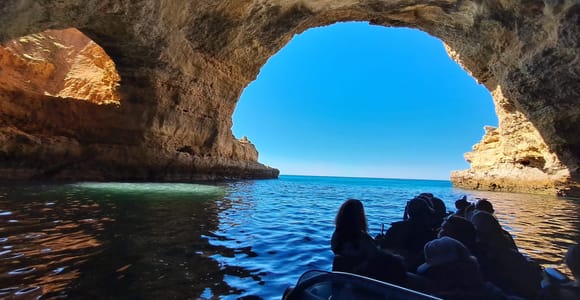
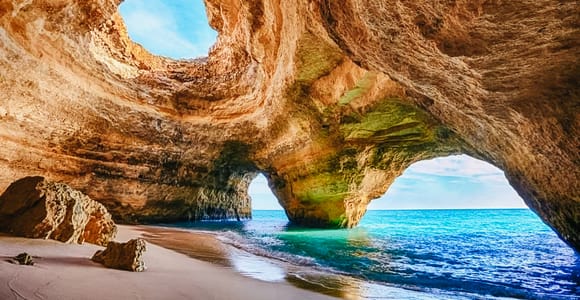
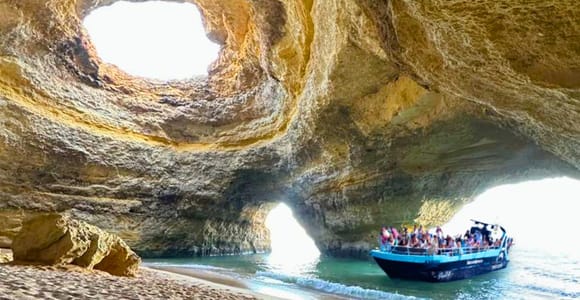
The boat trips. And this is the point many people miss: almost everything people come to the Algarve for leaves from the harbour — the caves, the dolphins, the sunset cruises. No parking problem, no drive.
Ferragudo. The fishing village across the river is reachable by boat, or in a quarter of an hour by bus.
Alvor and Lagos. Both sit on the bus route. Lagos also has a railway station.
For a holiday made of beach, harbour, food and two boat trips, a hire car is a car that spends a week in the sun.
What you do need one for
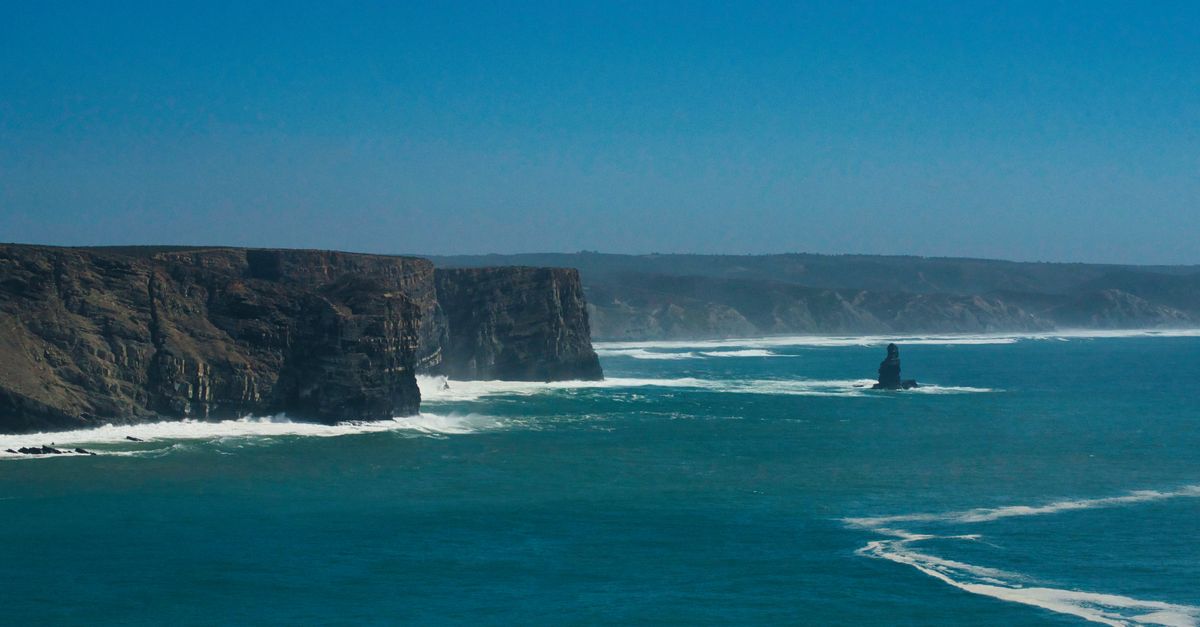
Sagres and Cabo de São Vicente. An hour west; by bus, half a day’s travel. The south-western tip of Europe, and it belongs to a car.
The Costa Vicentina. The wild west coast with its empty beaches is essentially unserved by public transport.
Monchique and the interior. The hills, the cork oaks, the hot springs — buses run, but rarely, and not to the parts worth seeing.
Silves, Alte, Paderne. The Moorish castle at Silves can be reached by train; the rest of the interior cannot.
The eastern Algarve. Tavira and the Ria Formosa work by train, but it takes time.
Buses and trains, fairly judged
The regional buses connect the coastal towns reliably. They are cheap and entirely adequate for Portimão–Lagos or Portimão–Albufeira. They are also slow, stop often and thin out in the evening.
The railway runs parallel to the coast from Lagos to the Spanish border. It is a pleasant, slow train — with one catch: several stations sit a fair distance outside the towns they serve. If you travel with luggage or children, look at the map first.
Rule of thumb: buses and trains are good for moving along the coast. For anything leading away from it, they are not.
The calculation nobody does
A hire car for a week costs more than most people budget once fuel, parking and insurance are counted. If you genuinely drive on two days only, this combination often works out cheaper:
- Boat trips from the harbour, reachable on foot
- Bus or train for Lagos, Alvor, Albufeira
- Taxi or ride app for the evening out
- A hire car for two or three days instead of seven
Almost all suppliers rent by the day. Two days of car for Sagres and Monchique, the rest on foot and by boat — for many people that is the honest solution.
One thing argues against it: booking on arrival in high season costs noticeably more and may find nothing at all. If you know you want to drive, book ahead.
The parking problem
In July and August, parking in the old towns of Lagos, Albufeira and Tavira is the real irritation. Portimão is calmer, but Praia da Rocha in August is no fun either. With a car, plan to arrive at any sight before eleven.
The decision in three lines
No car if you are staying in Portimão, Lagos or Albufeira, like the beach and plan one to three boat trips.
A car for a few days if you want Sagres, Monchique or the interior but are not out every day.
A car throughout if you are staying away from the coastal towns, travelling with small children, or want to see the whole Algarve west to east.
If it is going to be a car
When you compare car hire for the Algarve, the terms repay attention more than the daily rate. What matters is in Car hire excess and Fuel policy and extra drivers. With children, add child seats; for Andalusia, the rules are in Taking a rental car to Spain.
Compare car hire prices for the Algarve
If it is not
Then you need a boat. The cave tours to Benagil, the dolphin watching and the sunset cruises all leave from Portimão harbour. What else works without a car is in Things to do in Portimão and What to see in the Algarve.
As of September 2026. Timetables and prices change with the season.