Car hire excess in the Algarve: what is actually covered
Updated September 1, 2026 · 7 min read
The question that eats the most time at the rental desk is nearly always asked too late: what is actually covered? Sort it out beforehand and you save more than money — you save the twenty-minute sales pitch while the queue builds behind you.
“Full insurance” is not full insurance
Your contract will usually say CDW, or Collision Damage Waiver. It sounds like comprehensive cover. It is not. It is a waiver with a ceiling: up to a certain amount, the damage is yours to pay. That amount is the excess, and depending on the vehicle class it typically runs into the high hundreds or low thousands.
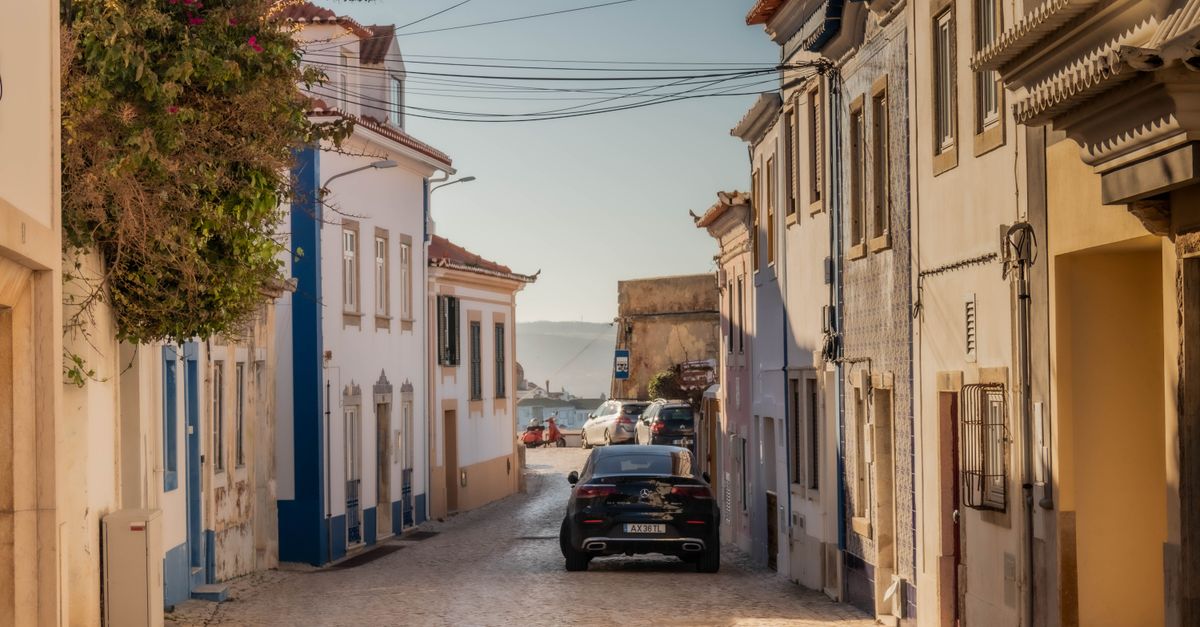
The second point surprises more people than the first: basic cover does not include the whole car. Tyres, glass, underbody and headlights are normally excluded, and often the roof, the interior and lost keys as well. Those are precisely the parts that suffer in the Algarve: narrow tracks down to the beaches, kerbs in the old-town lanes, gravel out at Cabo de São Vicente.
So a stone chip in the windscreen can cost you the full amount even though you booked “full insurance”.
The deposit is real money
At pickup an amount is blocked on your credit card, based on the excess and the vehicle class. Several hundred to well over a thousand euros is normal. The money is not gone, but it is unavailable until you return the car — and on a card with a tight limit, that is a genuine holiday problem.
Three things around this cause trouble again and again:
The card must be in the main driver’s name. Not your partner’s, not the company’s. The name on the card and on the licence must match.
A debit card is not a credit card. Some companies will not take one at all; others only with a much larger deposit and extra conditions. If a debit card is all you have, settle it before booking, not at the counter.
The release takes time. One to three weeks after return is common before the hold disappears.
Three ways to get rid of the excess
Buy it at the counter. The company will offer an upgrade, usually called Super CDW or Full Protection. The upside: if something happens, nothing happens to you — no paying first, no paperwork. The downside: it is by far the most expensive route, and over a week it can come close to doubling the rental.
Your own excess insurance. Considerably cheaper, taken out before you travel. The catch: you pay the damage first and claim it back afterwards. The deposit is still blocked, and in a real claim it is still taken. If you cannot do without that money for weeks, this is not your solution.
Through your credit card. Some cards include rental cover. Read it properly first: several exclude particular countries, many require you to decline the rental company’s own cover, and almost all cap the rental length. Relying on it without having read it goes wrong regularly.
When each one makes sense
For a small car for three days, the counter upgrade is out of all proportion. For two weeks with children, several drivers and a lot of country road, the sum looks different — there the peace of mind may well be worth it.
The honest middle course for most people: your own policy before you travel, provided the credit card has room for the deposit. If it does not, upgrade at the counter rather than spend your holiday without a means of payment.
Five minutes at handover
Before you drive off, walk around the car and film it. Not photograph — film, slowly, in daylight. Wheels, windscreen, lower bumpers, roof, fuel gauge, odometer. Do the same on return. It is the only precaution that costs nothing and decides the argument.
And have every existing mark written into the handover report, including the tiny scratch. What is not on that sheet was yours when you brought it back.
Compare before you book
Conditions differ between suppliers more than prices do. When you compare car hire for the Algarve, do not only look at the daily rate — look at three lines in the small print: the size of the excess, the payment methods accepted, and the fuel policy.
Compare car hire prices for the Algarve
Whether you need a car in the Algarve at all is a separate question — for Portimão itself, probably not; for everything else, yes. More on that in Do you need a car in the Algarve?. Travelling with children? The rules on child seats are in Car hire with a child seat, and if you are crossing the border, see Taking a rental car to Spain.
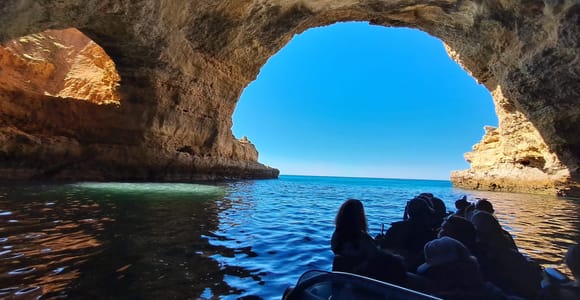
And if it turns out all you really want is the caves: that needs a boat, not a car. Departures are from Portimão harbour, ten minutes on foot from Praia da Rocha.
As of September 2026. Insurance terms change; the contract you sign is what counts.