Seasick on a boat trip – what actually helps
Updated August 15, 2026 · 6 min read
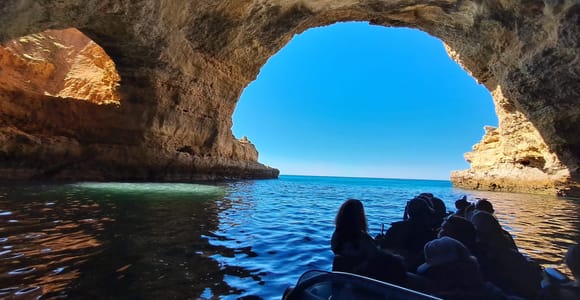
First-timers on an Algarve boat trip often underestimate one thing: this is the Atlantic, not the Mediterranean. Even under blue skies there is almost always a swell running that you cannot see from the beach.
That need not spoil a trip. But a few things are worth knowing in advance.
Why it moves here
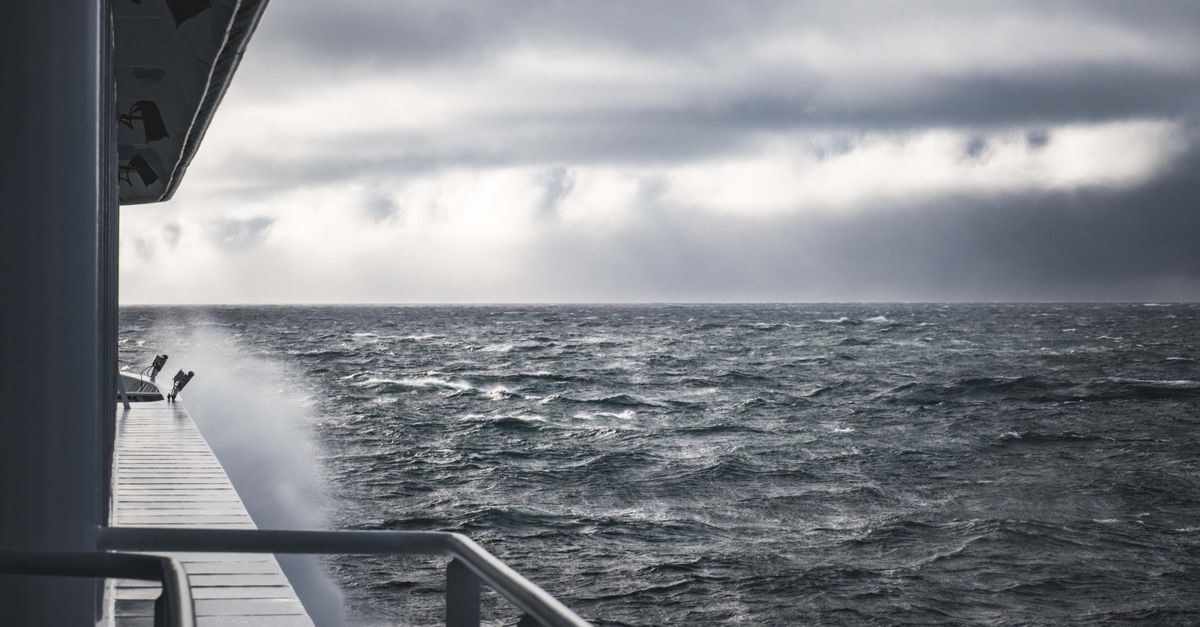
Off Portimão, open ocean swell meets a steep cliff coast. Unlike a sheltered Mediterranean bay, there is little to break the waves. On top of that comes the north-westerly wind, which picks up here almost daily in the afternoon.
The result: mornings are usually far calmer than after 2 p.m. That single fact is worth more than any home remedy.
The boat makes the biggest difference
Not every boat moves the same way. If you are sensitive, choose deliberately:
Catamaran – the calmest option. Two hulls instead of one, so it barely rolls. That is exactly why it is the standard recommendation for people who get seasick quickly. Downside: it cannot enter the caves. Catamaran tours start at about €18.
Larger motorboat – a good compromise. More mass means steadier movement than a RIB, and it still gets into the caves.
RIB and speedboat – the bumpiest. They jump over waves rather than through them. Some people tolerate that hard, fast motion better than slow rolling – others feel worse. If you do not know which you are, it is a gamble.
Sailing boat – mixed. Under sail a boat sits steadier than under engine, because the sails stabilise it. But a sailing trip takes longer.
What you can do beforehand
The usual advice, ordered by what tends to help most:
Go in the morning. See above. By far the strongest lever.
Do not board on an empty stomach. Eat something light – bread, a banana. An empty stomach makes it worse; so does a heavy one.
No alcohol the night before. And none on board, however tempting the free drink.
Sit outside, look at the horizon. Sitting in a cabin or staring at your phone is the opposite of what your balance system needs. A fixed point on the horizon helps, because then eyes and inner ear report the same thing.
Sit amidships. The middle of the boat moves least. The bow is the worst place.
Fresh air. Engine fumes at the stern make nausea noticeably worse.
On medication and home remedies
There are over-the-counter remedies for motion sickness, and many travellers swear by ginger or acupressure bands. How well each works varies a great deal from person to person.
I cannot and will not give medical advice here. If you know you are prone to it, have a quick word with your pharmacist or doctor before you travel – especially for children, during pregnancy, or if you take other medication. A remedy taken only once on board is usually too late.
Choose the right duration
If in doubt, take the short trip. Almost everyone gets through ninety minutes; four hours on a moving sea is another matter.
The classic Benagil cave tour runs 1.5 to 2.5 hours depending on the operator. That is a good entry point. If it goes well, there is still time for a longer trip another day.
The best protection costs nothing
Almost every tour can be cancelled free up to 24 hours ahead. Check the wind forecast the evening before. If more than roughly 20 km/h is forecast, postpone.
That is not squeamishness – it is the same reason operators themselves cancel on days like that.
With children
Children get seasick more often than adults but usually handle short trips well. The catamaran is nearly always the right call here. More on that in our piece on boat trips with kids. How to spot that it has caught your child, and what still helps on board, is in seasickness in children.
In short
Morning, catamaran or a larger boat, sit amidships, look at the horizon, eat something light beforehand, no alcohol. Follow that and you have avoided most problems before they start.
And if you still feel queasy: it passes the moment you have solid ground underfoot again. So far every passenger has made it back in one piece.